In the world of livestock management, ensuring the well-being and productivity of your animals is paramount. Water, the second-most vital nutrient after oxygen, plays a pivotal role in various physiological functions. Dehydration can lead to a host of issues, impacting growth rates, milk production, and overall animal health. Providing fresh, clean water is essential. But additional measures may be needed to combat dehydration effectively in warm, dry weather.
Water constitutes a substantial portion of the animal body, ranging from roughly 50 to 80 percent of total body weight at maturity. It is indispensable for digestion, metabolism, blood pressure regulation, milk and saliva production, nutrient transport, and temperature regulation. Dehydration, caused by poor water management practices or water quality issues, can result in weakened gut integrity, susceptibility to diseases, and decreased production rates.
Detecting dehydration in livestock and grazing animals involves both physical and behavioural cues. Physical signs may include lethargy, skin tightness, weight loss, and dry mucous membranes and eyes. In dairy and beef cattle, dehydrated animals may exhibit sunken and dull eyes, while lactating dairy cows may experience a decline in milk production. Pigs display signs like thirst, constipation, skin irritation, and lack of appetite. Behavioural indicators may include passing hard, round balls of manure, licking water off the ground, and not finishing their food.
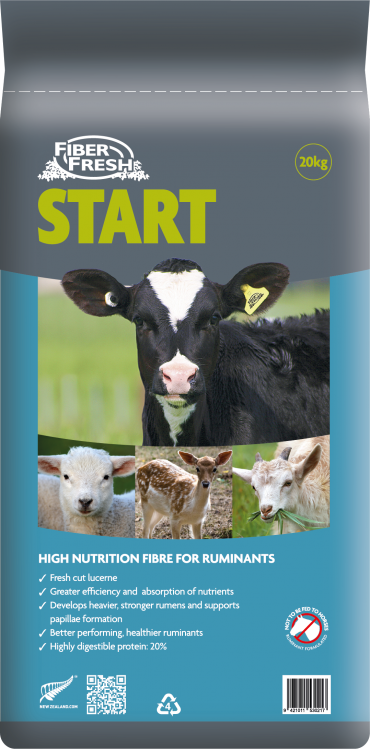
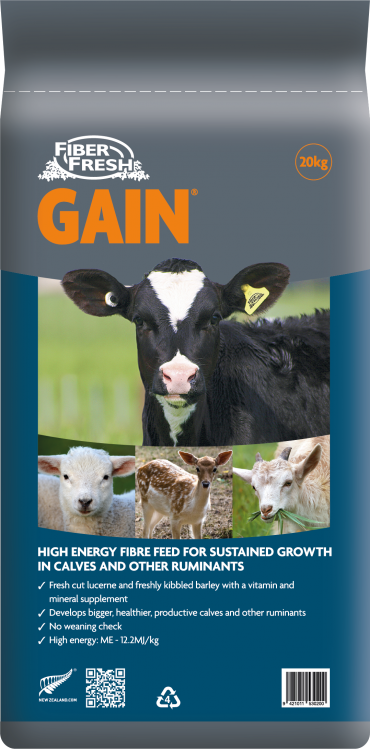
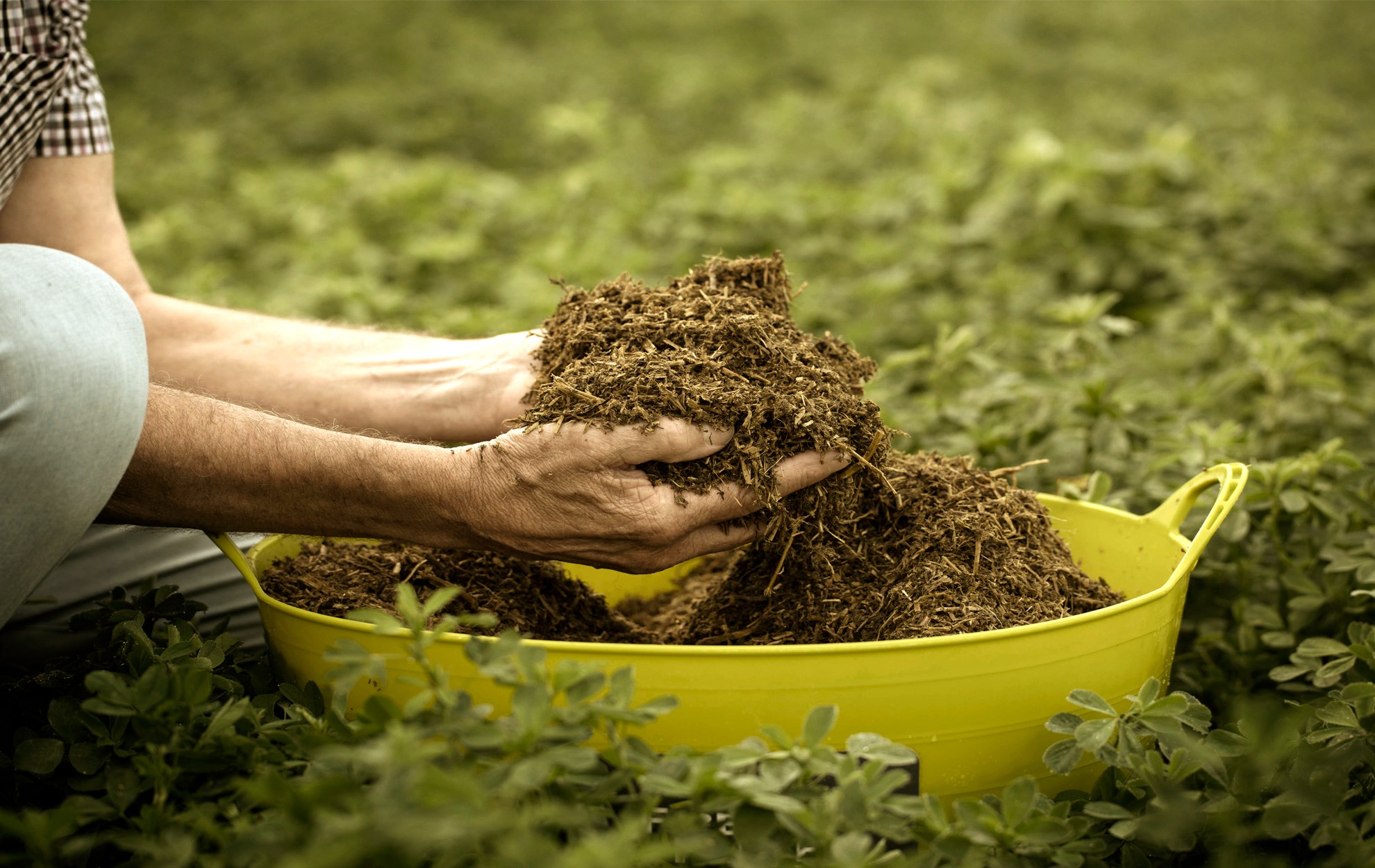
Since these animals are used to receiving passive hydration from pasture, feeding them a fresh fibre source will provide hydration in the same form that their bodies are used to. In addition to being highly nutritious, Fiber Start and Fiber Gain both provide valuable hydration support for livestock. The key to their effectiveness lies in the fermentation process, enhancing both the nutritional profile and promoting hydration the same way they receive it from grazing. The fresh lucerne in Fiber Gain and Fiber Start boasts a higher water content than dry feed, allowing for a passive hydration that is not present when feeding dry alternatives.
Additionally, lucerne is a nutrient-rich forage, providing essential vitamins, minerals, and proteins. By incorporating Fiber Gain and Fiber Start into the diet, not only are hydration concerns addressed, but a well-rounded nutritional supplement is also provided. The fermented nature of these products also contributes to maintaining gut integrity, reducing the risk of inflammation and diseases associated with dehydration in livestock.
Incorporating Fiber Gain and Fiber Start into livestock management practices is a proactive step toward preventing dehydration and increasing nutrient retention. Addressing challenges associated with poor water intake may explain issues such as production setbacks and compromised animal health. Fiber Gain and Fiber Start both provide a hydration solution that ensures a happier, healthier, and more productive livestock operation.