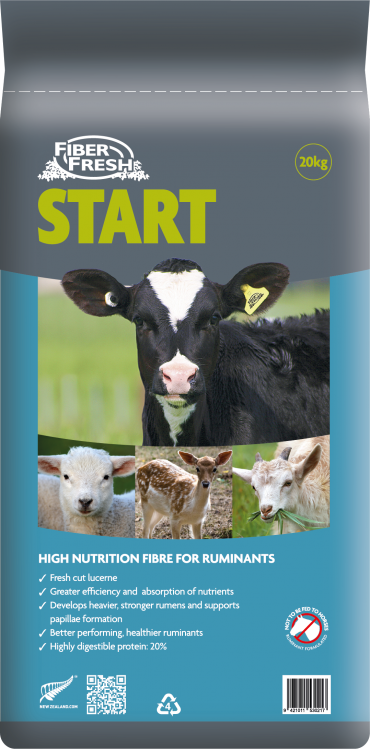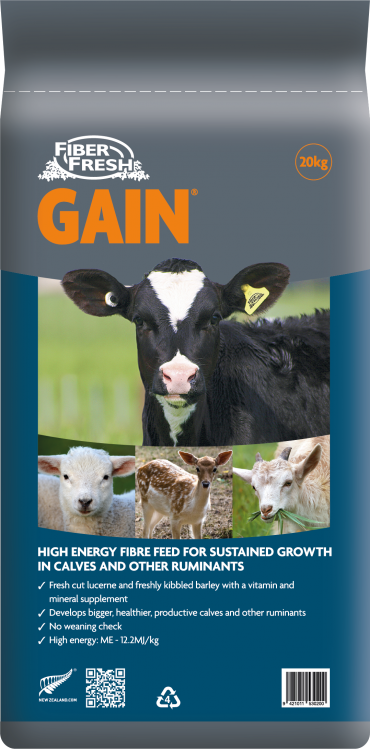
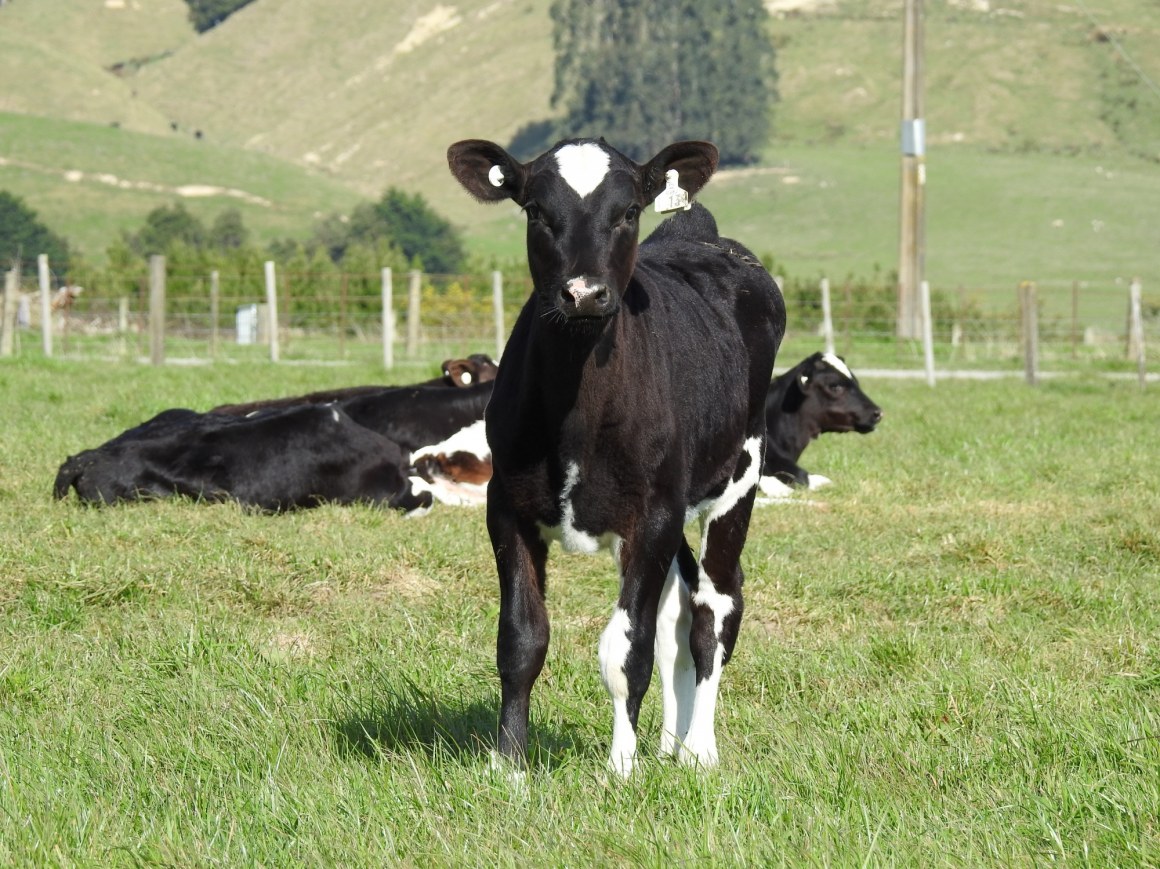
It’s now the time of year when we are weaning early calves from meal and late calves off milk, which can be a seasonal challenge for farmers. This transition can greatly slow calf growth and can cause a growth check and a period of weight loss. During this time, it is important that calves continue to have access to a quality fibre source to support their well-being. If calves have been reared on Fiber Fresh throughout the first phase of their life, the weaning process will be much smoother. In this article, we'll explore the significance of fibre during weaning and its role in calf growth and rumen development.
Rumen Development
Calves enter the world with an underdeveloped rumen, a key component in their digestive system. The growth of the rumen is essential for enabling them to efficiently digest their pasture, their eventual primary source of nutrition. Rumen development in calves can significantly affect their feed intake, nutrient digestion, and, ultimately, their overall growth.
It's important to recognize that the early feeding routine and nutritional intake can have a lasting impact on rumen development. These changes can subsequently alter the long-term aspects of calf growth, health, milk production performance, and reproduction rates in later life.
The Role of Fibre in Rumen Development
Fibre plays a pivotal role in growing the rumen, a vital component of the calf's digestive system. Within the rumen, tiny finger-like structures called “papillae” are essential for its function. These structures increase the surface area of the rumen, enabling enhanced nutrient absorption in the calf.
Introducing quality digestible fibre early will encourage faster rumen and papillae development, and research trials have shown that calves fed Fiber Fresh had papillae that were up to twice as developed as calves not fed Fiber Fresh.
What Does This Mean for Calf Weaning?
Well-developed rumens lead to faster growth, and better temperature regulation which is particularly important as calves face the transition from spring to summer and changing pasture availability. Better developed papillae allow for better developed rumens and thus, more efficient absorption of nutrients, and a sooner, smoother weaning for the calf.
Abrupt weaning is stressful for calves and can cause flare-ups in viruses that would otherwise lay dormant. Gradual weaning is always recommended. The goal is for Calves to continue to thrive after weaning and minimise any growth check. Regular weighing every 4-6 weeks can be useful to track growth and make necessary diet adjustments and health checks.
Fibre is a crucial element in early calf weaning, promoting rumen development, growth, and well-being. Avoid rushing the weaning process, and keep feeding your fibre. Consistent monitoring of growth and health ensures a thriving and successful herd, that can go on to produce future generations of strong, healthy, ruminant animals.